San Antonio sits at a crossroads. Freight rolls up from Laredo and Eagle Pass, down from Dallas and Houston, and across from the Gulf. That geography is ideal for cross docking, where pallets pivot quickly from inbound trailers to outbound linehaul with little or no storage. Done right, a cross dock facility in San Antonio TX trims days from transit, cuts dray and detention costs, and stabilizes volatile final mile schedules across South Texas. Done poorly, it creates a knot of missed windows, OS&D disputes, and expensive rework.
I have spent enough nights in dock offices and yard trucks to know the difference. The best operations blend layout, systems, and judgment, then adapt to what I-35 traffic, dispatch changes, and port delays throw at them. This article walks through how a cross dock warehouse in San Antonio TX actually functions, why it is strategically placed for the region, where the cost and time savings come from, and what to check before you hand over your freight.
Where a Cross Dock Fits in the San Antonio Freight Map
San Antonio connects I-35 and I-10, two corridors that move most of Texas freight. Laredo, the largest inland port in North America by truck crossings, sits roughly 150 to 160 miles south. Goods coming through Colombia or World Trade Bridge can be on a San Antonio dock within three to four hours if Customs and bridge traffic cooperate. From there, outbound linehaul reaches Austin in under two hours, Houston in four, Dallas in five, and the Rio Grande Valley the same day. The city also feeds westbound to El Paso and eastbound to the Gulf, which matters for shippers triangulating equipment or managing seasonal flows.
On the ground, this means a cross dock facility in San Antonio TX can absorb a morning wave of import freight, break it down, and reload outbound trailers that depart early afternoon for overnight or same-day delivery across South and Central Texas. When a consignee in Seguin wants a 10 a.m. appointment and another in New Braunfels needs a 1 p.m. drop, a San Antonio hub gives dispatchers options without running trucks empty or late.
Local realities shape the cadence. IH-35 traffic can stall after 3 p.m., H-E-B distribution and other large receivers anchor strict windows, and construction can flip ramp access with little warning. A cross dock warehouse with an alert yard dog, flexible gate hours, and dispatchers who know when to hold a trailer for 30 minutes can be the difference between calm operations and spillover into the next shift.
How Cross Docking Actually Works on the Floor
The picture is simple, the choreography is not. Inbound trucks bump a bay, the doors swing open, and pallets move straight across the dock to waiting outbound trailers. But the flow depends on detail. A cross dock manager in San Antonio, juggling mixed freight from multiple maquiladoras and domestic suppliers, will prioritize based on outbound ETAs, appointment windows, and how long the driver has been on the clock.
Freight identification is the first potential failure point. If labels are faint or the BOL uses a shipper code that the WMS does not recognize, time bleeds away while clerks verify. Strong operations make label reprints and scan-on-receipt a habit. In South Texas, hazmat and cold chain skids often mingle with general freight; those get staged separately, then married up with compatible loads.
Two dock configurations show up most: U-shaped and straight-through. U-shaped docks are handy in tighter yards, bringing inbound and outbound traffic to the same face. Straight-through designs have inbound on one side, outbound on the other, which reduces congestion. In San Antonio’s busier hubs, you see a hybrid: inbound heavy near the yard entrance, outbound near the main gate, with live load corridors painted in bright stripes you can read from a forklift seat.
Cross docking lives and dies by staging discipline. Pallets should touch the floor once. The best crews set chalk squares on the concrete, line-haul lanes by region, and color-coded placards for route cutoffs. When a Laredo inbound is late, you do not want to shuffle nine pallets twice. Sprinting to fix a mistake is slower than preempting it.
Why San Antonio Is Efficient for Cross Docking
Time and fuel are the obvious wins. A direct route from Laredo to a customer in Round Rock could take seven to nine hours with stops and city pressure. Break that trip in San Antonio at a cross dock facility, load outbound with other Austin-area deliveries, and you maintain hours-of-service margins while consolidating to a full trailer. Most operators see a 10 to 25 percent transit time reduction across multi-stop runs when they shift to a cross dock model in this region, depending on appointment rigidity and how much they can consolidate.
Inventory dwell shrinks too. Cross docking reduces days on hand to hours, or to near zero for pre-allocated freight. Cash flow improves when goods move to invoice faster. That matters for importers clearing Customs at the border, where demurrage and detention rack up if someone misses the release timing.
Then there is damage. Every touch risks a corner-crush or puncture. Warehousing adds touches. A properly run cross dock warehouse limits those to unload, stage, and reload, ideally with no double-handling. Across hundreds of loads, even a small drop in claims frees up staff and goodwill.
Lastly, capacity elasticity is real. Seasonal spikes in produce from the Valley, retail swings before holidays, and Mexico plant shutdowns after Easter create whiplash. A cross dock facility in San Antonio TX can flex with shorter contracts for labor and yard space compared to a dedicated warehouse lease. When volume dips, you are not paying for empty aisles.
What Good Looks Like: People, Process, and Technology
Quality starts with dock leadership. A seasoned supervisor reads the board two hours ahead. If a Mexico import is waiting on Customs, they pull forward domestic freight for the same outbound lane, keeping trailers productive. They also know which drivers can help tailgate heavy pallets without complaint. That soft skill matters late at night.
On process, the standards are equally mundane and critical. Pallet count is confirmed at the door, not after rolling ten feet. Any repack gets documented with photos. OS&D is escalated before the trailer leaves. For cross docking services near me searches, it is easy to find places promising speed. You want speed with a paper trail. Carriers and shippers settle claims faster when pictures and scans prove condition and count.
Technology helps, but only when it is fit to purpose. A WMS or TMS should handle inbound ASN matching, license-plate pallet tracking, and load planning by route. Barcode or RFID scanning prevents fat-finger errors. Yard management systems keep trailers visible across the day. But a mobile printer and a sturdy tablet sometimes create more value than a flashy dashboard. San Antonio facilities that serve bilingual crews gain efficiency with interfaces that toggle between English and Spanish, and signage that uses clear icons.
Temperature control and hazmat segregation show up in this market often enough to warrant design. If you handle produce or pharmaceuticals, you need insulated staging zones and rapid close-times on bay doors. For chemicals, docks must post proper placards and maintain spill kits at reachable stations. Those are not optional. Inspectors in Texas will check, and shippers who know their freight will ask.
The Costs You Save, and the Costs That Sneak Up
You save on linehaul by consolidating and on labor by avoiding putaway and picks. Shippers typically cut 5 to 15 percent off transportation cost per unit when they consolidate at a cross dock warehouse near me rather than running fragmented LTL or partials. Detention and layover drop when a local hub absorbs spread-out appointment windows.
What sneaks up: accessorials. Liftgate, sort and segregate, driver assist, and weekend receiving fees can erode the win if you do not lock in a service matrix. Another hidden cost comes from deadhead between the cross dock and final mile if you pick a location without enough volume in your lanes. San Antonio generally avoids this thanks to central density, but it is worth checking your specific flow. Lastly, misaligned pallet sizes or poor packaging make your dock fast in theory and slow in practice. I have seen too many overhang skids tearing stretch wrap because a vendor used a metric pallet on a heavy load; rework time is real.
Choosing a Cross Dock Partner in San Antonio
There are many operators across the metro, from small 10 to 20 door docks near the airport to large multi-tenant facilities along I-35. When you evaluate, walk the floor and watch a lot close. You learn more from 30 minutes at 6 p.m. than an hour in a conference room.
Consider this simple field checklist:
- Dock density and flow: Are aisles clear, lanes marked, and forklifts moving with purpose rather than improvisation? Scan compliance: Do you see every pallet scanned on and off, or are clerks writing counts on paper? Appointment discipline: Ask to see yesterday’s late list. High late counts signal upstream chaos or weak planning. Yard control: Are trailers labeled by move time, and does the yard dog run a schedule, not a series of rescue missions? Exception handling: Where do they stage damages, and how fast do photos and notifications go out?
If the facility clears those, then look at the nuts and bolts. Door count should match your peaks. For cross docking services San Antonio commonly runs 20 to 80 doors depending on season. Ensure they can flex labor by 25 to 40 percent within a week. Confirm coverage for early morning border waves and late cutoffs. Ask about EDI or API capabilities with your TMS. If your customer base includes grocers, verify experience with food safety audits and lot tracking.
Many shippers still start their search thinking “cross dock warehouse near me” or “cross docking services near me.” Proximity helps, but for San Antonio the key is proximity and corridor alignment. If your lanes run heavy to I-10 east, a facility on the east side shaves deadhead. Heavy I-35 north traffic benefits from locations near Live Oak or Selma. The west side suits I-10 west and 410 loop movements. Ten miles in the wrong direction can burn the margin you hoped to gain.
Cross Docking For Different Freight Types
General merchandise and durable goods behave predictably. The edge cases and specialties are where operator skill shines.
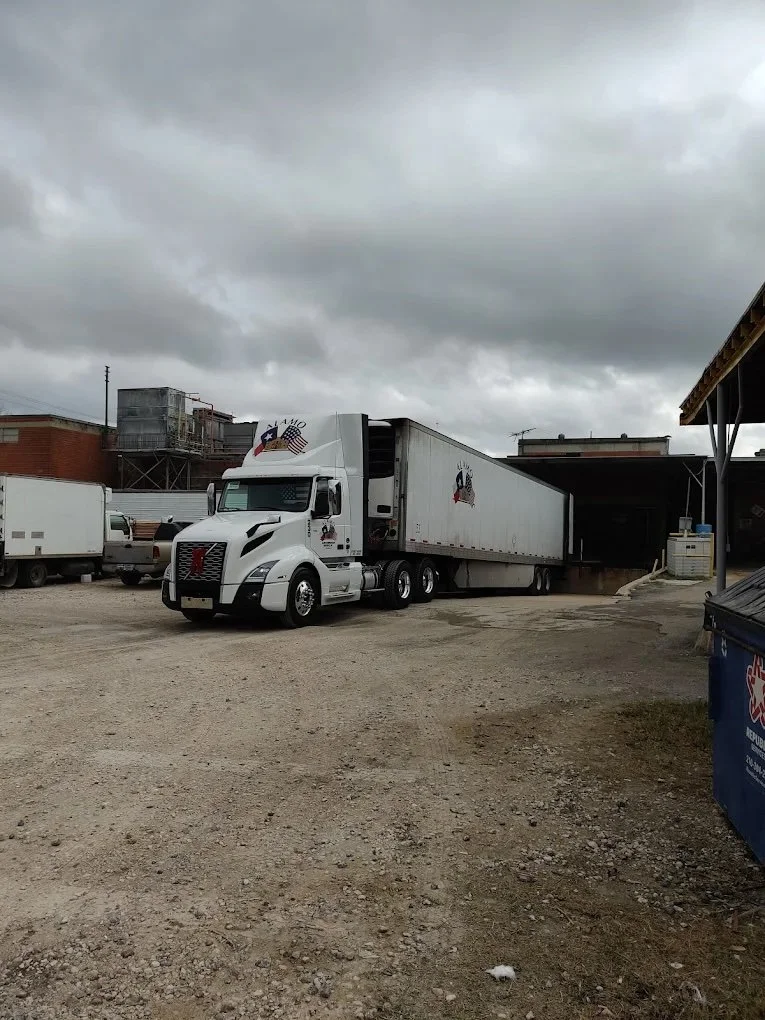
For high mix, low volume loads, such as e-commerce returns or promotional kits, a cross dock must manage piece-level accuracy without turning into a full kitting center. That means quick relabels, carton scanning, and short-term staging for smalls. The trade-off is labor intensity; you keep it economical by designing routes that bundle multiple small consignees with a single driver familiar with dock-to-door quirks inside strip malls and campuses.
Food and beverage require temperature awareness. In summer, a pallet can heat rapidly on a 105-degree dock. The best facilities limit open-door time, stage coolers nearest the bay, and load these last. Some operators keep two or three refrigerated doors that tie to the yard’s reefer plugs so live loads are fast. Ask for temp logs and door-close metrics.
Automotive and industrial components coming from maquilas often arrive with bilingual paperwork and mixed labeling standards. A San Antonio dock with Spanish-speaking clerks can reconcile discrepancies quickly, saving an hour per inbound when labels do not match ASNs. Also, components with higher susceptibility to shock damage need clamps or soft handling attachments. Look for those on the equipment roster.
Hazmat brings compliance risk. For cross docking services, the questions are basic but non-negotiable: trained staff with current certs, proper placarding on all sides, segregated staging by class, and documented response plans. A surprise audit or incident will expose shortcuts. Good operators do not take shortcuts here.
Data, Appointments, and the Reality of Border Variability
Border variability is a fact of life. A trailer expected at 10 a.m. may roll up at noon after a hold. When that happens, a San Antonio cross dock that lives by a rigid plan will slip. The fix is layered buffers and communication. Dispatch learns within minutes when a truck clears the bridge. The dock reorders loads to keep outbound on-time, maybe pulling forward a domestic inbound to feed a route. Appointment desks at consignees need updates early rather than last-minute calls.
This is where data matters. A cross dock warehouse San Antonio TX that tracks lane-level on-time percentages by hour can show you when to shift cutoffs. For example, if 11 a.m. to 1 p.m. border arrivals run 20 percent late on Fridays, you set your outbound to leave at 2:30 with a different mix. Over a quarter, these micro-adjustments keep service steady.
Even basic metrics carry weight: average door time per inbound, average touches per pallet, scan compliance rate, claim rate by carrier, door-to-depart time on outbound, and exceptions per 100 pallets. Ask to see the last 30 days. Consistency beats a single great week. Operators proud of their process will pull the numbers with little spin.
When Cross Docking Is Not the Right Answer
Some freight should not be cross docked. If packaging is too fragile to survive two touches, sending it through a busy dock raises claim risk. If your demand is lumpy with unpredictable apples-to-oranges mixes and no clear milk runs for delivery, consolidation may not form quickly enough to justify the stop. Highly regulated goods with deep documentation and inspection needs, like certain medical devices, sometimes fit better in a controlled DC with dedicated QA.
The operational clue is dwell. If pallets sit longer than six to eight hours as a pattern, you are leaning into short-term storage. That is a different service, with different staffing and slotting and costs. Some facilities manage both, but it is better to label it accurately and plan for it, rather than pretending a slow cross dock is still a cross dock.
A Sketch of a Typical Day in a San Antonio Cross Dock
A good day begins quietly. Night shift closes the last outbound at 2 a.m. Yard is tidy, doors assigned, floor swept. At 5:30 a.m., the first Laredo trucks call in cleared. By 7, inbound 13 backs into door 7. The clerk scans, two pallets get relabeled, three go to the Austin lane. A domestic inbound from Houston hits door 18 at 8:15 with overflow for New Braunfels. Dispatch merges those with the Austin cut, filling a 53-footer to efficient weight. Driver signs, departs at 9:30, comfortably ahead of an 11 a.m. appointment on the north side.
Midday sees cross currents. A surprise hazmat inbound arrives at 12:40 p.m., so the supervisor clears a staging square and confirms class limits. Simultaneously, a returns truck unloads in door 3. Dock workers sort by consignee quickly, adding four stops to a late afternoon route. The system flags an OS&D on a damaged pallet; photos upload, customer notified, replacement sourced from a nearby vendor who sends a hot shot to the dock by 3.
By late afternoon, outbound trailers peel off steadily, timed around I-35 traffic. The yard dog stages the last two loads by 6 p.m. A light evening inbound trickles in, mainly LTL consolidations for tomorrow morning. Night shift clocks in, reviews the late list, and sets the board. No drama, just rhythm. That is the mark of a well-run cross docking services San Antonio operation: rhythm under changing conditions.
Contracts, SLAs, and Practical Guardrails
Put expectations in writing. A clear service level agreement helps both sides. Transit windows, scan compliance, OS&D resolution times, photo requirements, temperature thresholds, and cutoffs for same-day outbound should all be explicit. Tie some fees to exceptions you care about, like late notification penalties or rebates on missed same-day turns, but keep them realistic. Overly punitive contracts drive defensive behavior rather than collaboration.
Insurance and liability often get breezed past. Confirm general liability, cargo insurance, and any special riders tied to your freight. For high-value electronics or pharma, ask about caged areas, camera coverage, and chain-of-custody procedures. Tour those areas, do not just accept a bullet point on a brochure.
Finally, run a pilot. Start with two to three lanes, measure service and cost for 30 to 60 days, then scale. Spend time on the dock for the first two closeouts. Bring your own labels and spec sheets, and watch how quickly cross docking services san antonio the team adapts. Good partners will incorporate feedback within a week.
Cross Dock vs. Short-Term Storage vs. Fulfillment
Terminology gets fuzzy. A cross dock facility moves freight same day, usually within a few hours. Short-term storage allows 24 to 72 hours of dwell, for example when appointments are scarce. Fulfillment includes pick, pack, and parcel induction, which is a different labor model and system stack. Some San Antonio operators do all three under one roof with separate teams and KPIs. If your core need is speed between inbound and outbound, keep the scope tight. Add storage or light kitting only if the numbers justify it, because complexity slows the dock.
If you do need limited storage, define it. A handful of prebuild bays for recurring routes can tame chaos. Cross docking services benefit from prebuilding loads when the mix is stable and you can protect against damage. The trade-off is tying up floor space during peaks. Again, clarity prevents surprises.
Finding the Right Fit
You can start with a broad search for cross docking services near me or cross dock warehouse San Antonio TX, then narrow by corridor, compliance requirements, and door count. Referrals from carriers often carry more weight than online reviews, because carriers know who loads them fast and who leaves them idling. Visit at least two facilities during your operating window, not just at 10 a.m. on a Tuesday.
The final filter is cultural. A cross dock warehouse that communicates plainly, admits misses, and talks about continuous improvement will serve you better than one that promises a perfect record. Freight is messy. The question is how teams respond when a bridge backup, a mislabeled pallet, or a forklift breakdown collides with your schedule.
The Bottom Line for South Texas Shippers
San Antonio’s position makes it a natural hub for cross docking. By diverting freight through a cross dock facility San Antonio TX, shippers and carriers gain time, trim costs, and smooth the ebbs and flows of border-driven variability. The model is not magic. It rewards disciplined layout, process, and communication, and it punishes sloppy labeling, vague SLAs, and wishful thinking about dwell.
If you choose a partner that understands the routes you run, the consignees you serve, and the small constraints that define your days, the gains compound. You will see fewer partials, better on-time percentages, lower claims, and happier drivers who spend more time rolling and less time waiting in the wrong place at the wrong hour. That is the quiet success you want from cross docking services San Antonio: predictable speed in a landscape that rarely stands still.
Business Name: Auge Co. Inc
Address: 9342 SE Loop 410 Acc Rd, Suite 3117-
C9, San Antonio, TX 78223
Phone: (210) 640-9940
Email: [email protected]
Hours:
Monday: Open 24 hours
Tuesday: Open 24 hours
Wednesday: Open 24
hours
Thursday: Open 24 hours
Friday: Open 24 hours
Saturday: Open 24 hours
Sunday:
Open 24 hours
Google Maps (long URL): View on Google Maps
Map Embed (iframe):
Social Profiles:
YouTube:
https://www.youtube.com/channel/UCuYxzzyL1gBXzAjV6nwepuw/about
Auge Co. Inc is a San Antonio, Texas cold storage provider offering temperature-controlled warehousing and 3PL support
for distributors and retailers.
Auge Co. Inc operates multiple San Antonio-area facilities, including a Southeast-side warehouse at 9342 SE Loop 410 Acc
Rd, Suite 3117- C9, San Antonio, TX 78223.
Auge Co. Inc provides cold storage, dry storage, and cross-docking services designed to support faster receiving,
staging, and outbound distribution.
Auge Co. Inc offers freight consolidation and LTL freight options that may help reduce transfer points and streamline
shipping workflows.
Auge Co. Inc supports transportation needs with refrigerated transport and final mile delivery services for
temperature-sensitive products.
Auge Co. Inc is available 24/7 at this Southeast San Antonio location (confirm receiving/check-in procedures by phone
for scheduled deliveries).
Auge Co. Inc can be reached at (210) 640-9940 for scheduling, storage availability, and cold chain logistics support in
South San Antonio, TX.
Auge Co. Inc is listed on Google Maps for this location here: https://www.google.com/maps/search/?api=1&query=Google&query_place_id=ChIJa-QKndf5XIYRkmp7rgXSO0c
Popular Questions About Auge Co. Inc
What does Auge Co. Inc do?
Auge Co. Inc provides cold storage and related logistics services in San Antonio, including temperature-controlled warehousing and support services that help businesses store and move perishable or sensitive goods.
Where is the Auge Co. Inc Southeast San Antonio cold storage location?
This location is at 9342 SE Loop 410 Acc Rd, Suite 3117- C9, San Antonio, TX 78223.
Is this location open 24/7?
Yes—this Southeast San Antonio location is listed as open 24/7. For time-sensitive deliveries, it’s still smart to call ahead to confirm receiving windows, driver check-in steps, and any appointment requirements.
What services are commonly available at this facility?
Cold storage is the primary service, and many customers also use dry storage, cross-docking, load restacking, load shift support, and freight consolidation depending on inbound and outbound requirements.
Do they provide transportation in addition to warehousing?
Auge Co. Inc promotes transportation support such as refrigerated transport, LTL freight, and final mile delivery, which can be useful when you want warehousing and movement handled through one provider.
How does pricing usually work for cold storage?
Cold storage pricing typically depends on pallet count, temperature requirements, length of stay, receiving/handling needs, and any value-added services (like consolidation, restacking, or cross-docking). Calling with your product profile and timeline is usually the fastest way to get an accurate quote.
What kinds of businesses use a cold storage 3PL in South San Antonio?
Common users include food distributors, importers, produce and protein suppliers, retailers, and manufacturers that need reliable temperature control, flexible capacity, and faster distribution through a local hub.
How do I contact Auge Co. Inc for cold storage in South San Antonio?
Call (210) 640-9940 to discuss availability, receiving, and scheduling. You can also
email [email protected]. Website: https://augecoldstorage.com/
YouTube: https://www.youtube.com/channel/UCuYxzzyL1gBXzAjV6nwepuw/about
Google Maps: https://www.google.com/maps/search/?api=1&query=Google&query_place_id=ChIJa-QKndf5XIYRkmp7rgXSO0c
Landmarks Near South San Antonio, TX
Serving the South Side, San Antonio, TX community, we provide cold storage warehouse services that support food distribution and regional delivery schedules.
If you're looking for a cold storage warehouse in South San Antonio, TX, visit Auge Co. Inc near Brooks City Base.