Collectors learn early that acquisition is only half the story. Preservation, the slow daily work of protecting an object’s materials from heat, humidity, light, and rough handling, determines whether a piece appreciates, holds steady, or quietly degrades. Most damage happens gradually. Canvas slackens. Varnish blooms. Paper foxes at the edges. Vinyl warps a few degrees, then a few degrees more. The fix is not a single gadget or one-time treatment. It is a reliable environment paired with careful logistics and habits that hold up under real life.
Temperature-controlled storage sits at the center of that plan. It is not the same as simple air conditioning, and it is not just refrigeration. It is control, within tight tolerances, over temperature, relative humidity, airflow, and exposure. The right facility also understands how to move fragile objects, because the moment between locations, when a crate crosses a dock or rides out for final mile delivery, tends to be when things go wrong. I have walked enough warehouses and unpacked enough pallets to know the difference between a building with cold air and a building that truly guards against risk.
What different materials need
Different mediums fail in different ways. A general range of 65 to 72 degrees Fahrenheit with 45 to 55 percent relative humidity works for most mixed collections, but the nuance matters.
Oil paintings want stability above all. Linseed oil films embrittle and swell with rapid swings, and canvas expands on humid days, then shrinks in dry weeks. Over a few seasons, that cycling drags paint layers until craquelure opens. Keep oil paintings at a steady temperature, suppress drafts, and avoid placements along exterior walls. In storage, a painting on a soft packing blanket is a mistake; blankets can trap moisture. Slat-wall racks or sealed crates with silica gel help maintain a gentler microclimate.
Works on paper are more sensitive to humidity than to temperature. Newsprint and mid-century posters often contain lignin, which discolors and weakens more quickly when humidity spikes above 60 percent. A dry spell below 35 percent can embrittle fibers. Archival boxes with buffered interleaving do a lot of heavy lifting, but they can only buffer what the room already provides. The storage room still needs strong humidity control.
Photography, especially color processes and Polaroids, hates heat. A negative can survive a warm day. Dye-based prints fade measurably with prolonged exposure to temperatures in the high 70s and 80s. For long-term storage of film and color photographs, colder is better, provided materials are acclimated slowly and stored with moisture protection. A refrigerator-grade unit or a cold room, not just an office HVAC loop, makes a meaningful difference in dye stability.
Sculpture depends on the substrate. Wood carves swell and shrink enough to split along the grain if humidity swings by 20 or 30 points over a season. Bronze survives almost anything thermally, but chlorides and dampness lead to bronze disease, a powdery corrosion that spreads. Mixed-media works are the wild card. Foam, tape adhesives, and early plastics deform and off-gas. They benefit from lower, stable temperatures and well-vetted packing materials that do not introduce volatile compounds.
Textiles prefer slightly cooler conditions and conservative humidity. A Navajo rug draped over a dowel will crease in a month. Rolled storage on acid-free tubes avoids those folds. While a self-storage unit might look tidy on move-in day, a summer of 95-degree ambient heat leads to adhesive creep and moth activity. Temperature-controlled storage is not a luxury in that case; it is the line between a healthy textile and a problem piece.
Vinyl records and acetate discs are unforgiving about heat. Stack them flat in an attic for a season, and you will hear the warp. Keep them vertical, jacketed, and under 72 degrees, and they will outlast their owners. Toys with blister packs have another failure mode: the adhesive and plastic yellow and lift with heat. Several collectors I know moved their graded card slabs and boxed sets into a refrigerated storage suite after one heat wave left faint fogging on the inside of cases.
Temperature control vs. climate control
Many storage advertisements use vague terms. “Climate control” sometimes means heated in winter, air conditioned in summer, with little attention to humidity. For collections, humidity is as important as temperature, and tightness matters more than averages. A narrow band with minimal fluctuation, day to night and season to season, is the goal.
Temperature-controlled storage should offer target temperatures by zone, live monitoring, and alarms when a range is breached. A good facility gives you data. If they can show 12 months of logged temperature and relative humidity trends in the room you are renting, you are already having a more serious conversation. In cities with big seasonal swings, like San Antonio, that annual chart tells you if the building breathes or if the envelope and equipment can hold the line.
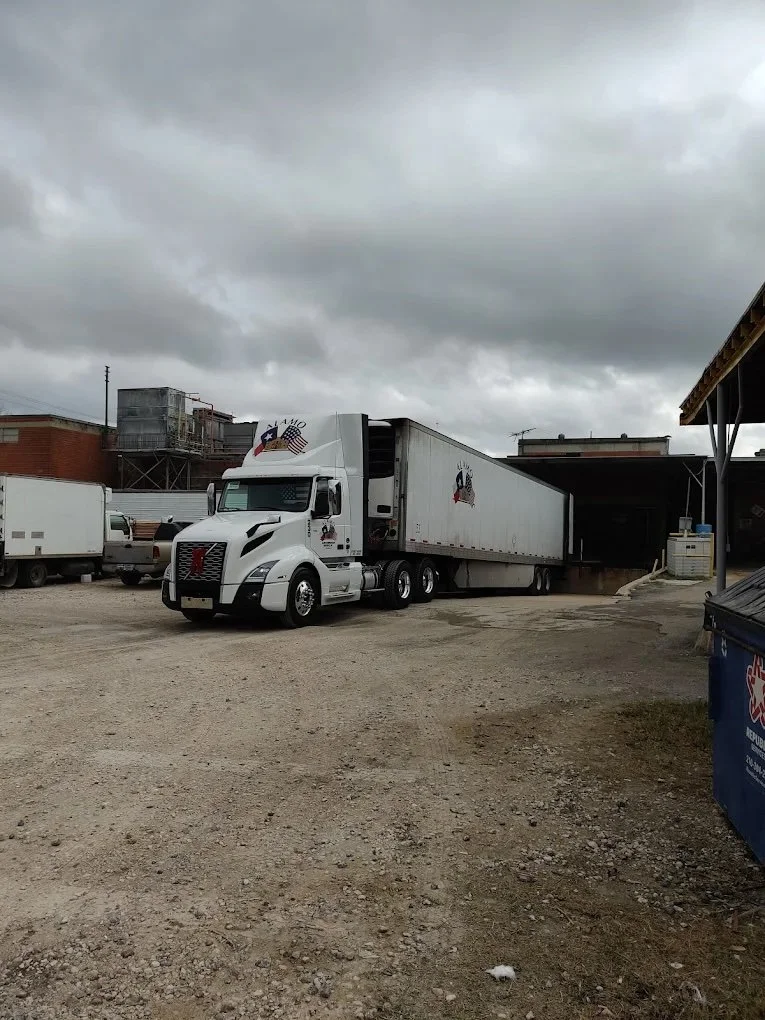
Cold storage and refrigerated storage sound like food logistics terms, and many vendors grew up serving that industry. The best cold storage facilities have learned fine-art habits from museums and galleries that lease specialty rooms inside those buildings. Chilled rooms with vapor-barrier construction and dedicated dehumidification loops can be tuned for archival targets, not just frozen turkeys. If you find yourself searching “cold storage near me” or “refrigerated storage San Antonio TX” because you need a true low-temperature room for film, keep an open mind about providers that began in food. Inspect the finish surfaces, gasket quality, and airflow pattern. A box built for palletized strawberries can be adapted to flat files and crates with minor adjustments.
Why San Antonio requires extra attention
San Antonio brings heat, humidity, and sudden storms. It is a city where an unconditioned Auge Co. Inc cold storage near me garage hits 110 degrees inside during August afternoons, then cools to 80 after midnight, every day for weeks. That daily cycle is stress. Even if you do not see immediate damage, microscopic movement accumulates. If your collection has any scale and you live in South Texas, you want true temperature-controlled storage San Antonio TX options that separate your items from ambient weather.
If you are comparing facilities locally, look beyond the brochure terms. A cold storage warehouse in a logistics park on the city’s south side might have better envelope insulation than a boutique urban facility. On the other hand, a boutique operation downtown might offer stronger handling protocols for paintings and works on paper. The right choice depends on your mix: paintings, prints, and sculpture benefit from art-focused handlers. Film, negatives, and color photography justify chilled rooms and specialized packaging procedures. When in doubt, tour both. Ask to see the mechanical rooms, not just the polished viewing area.
The handling chain matters as much as the room
Most losses happen while art is in motion. That can be a 30-minute cross dock transfer between inbound and outbound trucks, or the last six miles to a client’s home. A cross dock warehouse near me once set a dozen crates on a hot asphalt apron for an hour during a driver swap. On paper, the shipment never broke temperature control. In reality, the crates baked. We had to recondition frames and replace two linen mats that cockled. No one was malicious. The standard operating procedure just assumed pallets equaled groceries, not gessoed canvas.
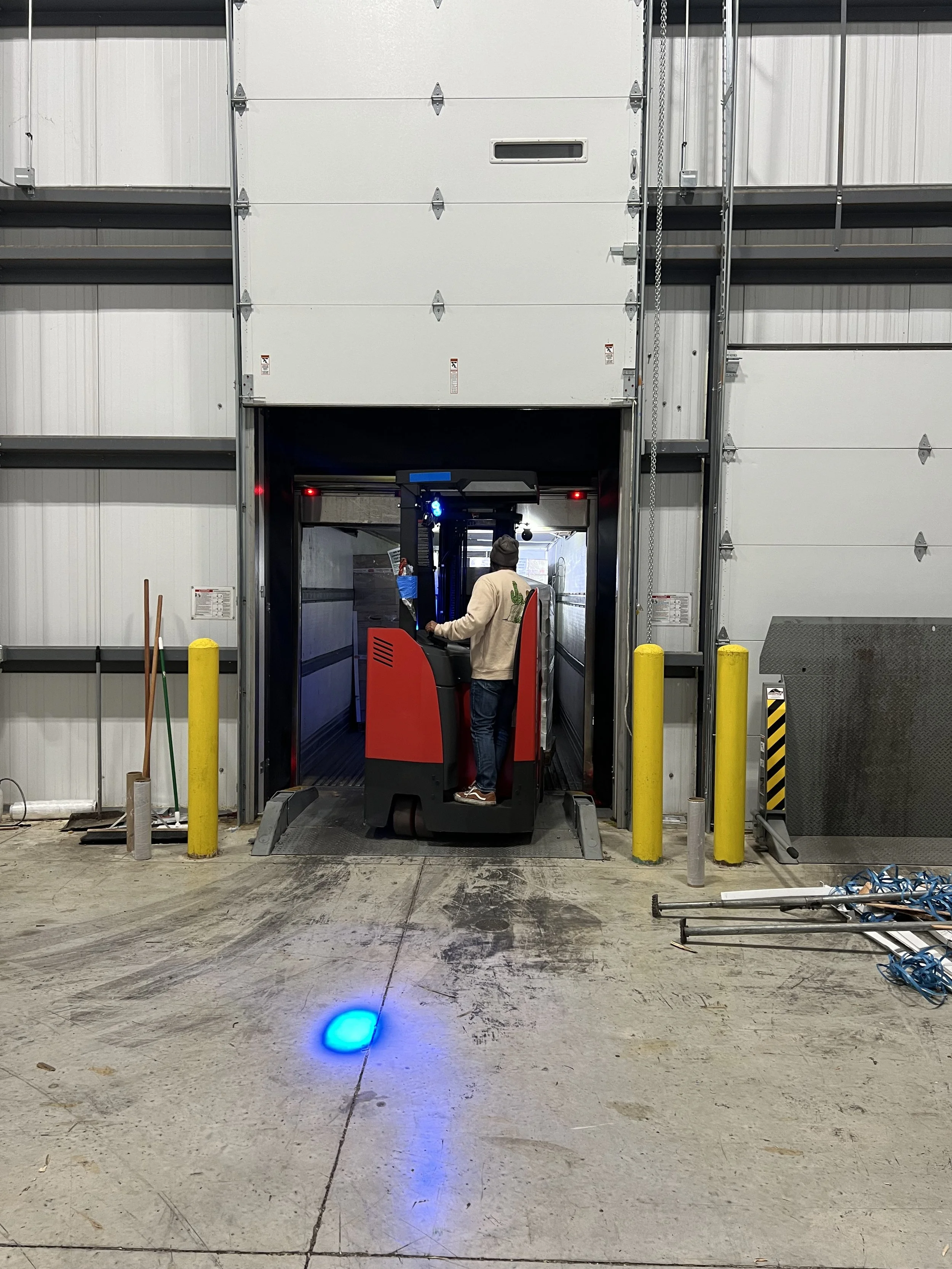
If your storage plan involves any cross-docking, demand that transfers occur under roof, on a conditioned dock. Ask if the cross dock San Antonio TX facility can stage sensitive freight in a cooler or a temperature-buffered zone while paperwork clears. If they cannot, consider a different route or an art-handling specialist. Time on a hot apron or in an uninsulated hold is not a rounding error.
Final mile delivery services create similar risks. It is one thing to deliver boxed electronics. It is another to carry a framed pastel up an exterior staircase at 3 p.m. in July. The right provider pads the schedule to avoid the hottest windows, uses covered vehicles with temperature control, and understands acclimation inside the destination. If you are vetting final mile delivery services San Antonio TX options, ask about their average vehicle interior temperatures, not just whether the cab has air conditioning. Cargo space needs conditioning too. The better teams can show photos of interior build-outs and provide references from galleries or designers.
Measuring what you cannot see
Trust, but verify. Hygrometers and data loggers are cheap, and they change behavior. Place one inside a crate, another in a storage room, and a third in your receiving area. Watch the trends over a month. You will learn whether staff are propping doors, whether the dock overheats at midday, and whether your room stays within the promised band. For fine art storage, I look for rooms that hold within plus or minus 2 degrees Fahrenheit and plus or minus 5 percent relative humidity on normal days. During power events, I want to know how long the room coasts within safe ranges without active equipment.
If you are relying on a cold storage warehouse near me that caters to food, ask about their monitoring system. Many already have calibrated sensors networked to compliance dashboards. The question is whether your zone sits on that network and whether you can get read-only access to those charts. A professional operation will not mind. Silent periods in the data, gaps in recorded trends, or frequent short alarms suggest issues with maintenance or operator discipline.
Packing and microclimates
Room conditions matter, but the closest environment an object experiences is the package. Packing materials can even create a microclimate that drifts away from the room set points if you choose them poorly. A sealed crate with poorly dried lumber and thick foam can trap moisture that creeps into paper over weeks. After a humidity spike one summer in San Antonio, I opened a crate and saw condensation beads on the foil interior. The room had returned to normal, but the crate had not. The fix is straightforward: pre-condition packing materials in the storage environment, use barrier films with desiccants sized to the volume, and include a humidity card or logger inside long-term crates.
For framed works, a sealed backer, rag board, and a spacer off the glazing prevent contact and moisture exchange. Acrylic glazing scratches easily; wrap it in non-abrasive film rather than bubble wrap pressed directly to the surface. For sculpture, rigid foam forms cut to the exact profile help prevent point loads. Loose fill is too unpredictable for anything heavy or valuable. Avoid cardboard as a primary shell in humid climates unless the object is double-bagged in a barrier film. Cardboard breathes, which helps in some cases, but can admit dampness during weather swings.
Insurance, inventory, and access
Storage is not just a room. It is paperwork that proves what you had, where it sat, and its condition at check-in. Insurers care about that chain of custody. A temperature-controlled storage provider that photographs each item on intake, tags it with a barcode, and logs its location gives you more than convenience. It creates a defensible record. If a claim arises, you have dates, images, and environmental logs.
Access windows and security also matter. Many facilities limit after-hours access for good reasons. Plan around that. Resist the temptation to place items you might need on short notice in the deepest part of the warehouse. Good operators can stage a small frequently accessed cage near the front of their temperature-controlled storage San Antonio TX facility. It costs a bit more per square foot. It saves grief on a tight timeline.
Evaluating facilities with the right questions
A short site visit reveals more than any brochure. Start at the dock. Look at the threshold and door seals. If you see daylight, humidity follows. Walk into the mechanical room. Are there redundant units and a maintenance schedule posted? Peek at the data logs. Ask about generator capacity. An honest “we have 8 hours of backup” is better than vague assurances.
Now walk the aisles. Are there dust covers on racks? Do crates rest on dunnage, not directly on concrete? Do staff use clean gloves and cart padding that is not shedding foam dust? Ask about pest control. The best programs use monitoring and prevention, not just traps. Finally, ask whether they serve any museums or galleries under contract. Those clients tend to demand tighter practices.
A note on cold storage for art
The phrase cold storage can mislead if you take it literally across all objects. You do not need a chilled room for everything. Cold is a tool. Use it where science shows gains, primarily film, color photographs, magnetic media, and some plastics. If you decide to store film in a refrigerator room inside a cold storage warehouse, package it in moisture-barrier bags and acclimate slowly when moving in or out. A day in a sealed bag at room temperature lets the film equalize without condensing moisture on the emulsion.
Collectors sometimes call asking for a cold storage near me option for paintings after a heat scare. Lowering to the mid 60s is helpful, but going colder can introduce risks, especially if humidity control lags. Focus first on stability. Cooling further makes sense only if the facility can hold tight humidity and can demonstrate that crates and racks will not develop condensation as air cycles.
The role of cross-docking and final mile in a long-term plan
If your collection travels for loans, exhibitions, or appraisals, you cannot avoid cross-docking entirely. The trick is building a predictable, controlled path. Some cross dock warehouse operators now offer art-specific lanes where inbound and outbound trucks meet under conditioned air with trained staff. A cross dock near me converted an old produce cooler into a small staging area with 65-degree air and 50 percent humidity just for sensitive freight. That modest investment cut temperature excursions to near zero during transfers. Your voice as a client matters here. If enough collectors and galleries ask for that service, operators add it.
Final mile delivery services are the last handshake with the space where a piece will live. The best teams bring tools beyond blankets: corner protectors, surface protection, wall sensors, and a script for acclimation. Installers should open crates in a low-dust zone, rest works flat when needed, and mount with the right hardware for the wall substrate. In San Antonio, homes often mix old plaster, modern drywall, and stone in the same project. One screw does not fit all. Ask your provider how they handle mixed surfaces. Good crews carry multiple fastener types and know when to refuse a questionable mount.
Costs, trade-offs, and doing the best you can
Budgets vary. A boutique art vault with white-glove handlers costs more per square foot than a larger cold storage facilities complex where you share space with commercial tenants. The question is not simply which is cheaper, but which risk you can accept. For a modest print collection in sturdy frames, a temperature-controlled storage room with consistent monitoring might suffice, even if the operator is not art-specific. For a six-figure painting inventory, spend on the handlers and policies, not just the room.
Not every collector needs a long-term lease. Some use storage as a buffer during home renovations or while waiting on a museum loan rotation. In those cases, choose a provider that can scale down gracefully. Hidden fees often lurk in receiving, re-crating, and inventory reconciliation. Clarify those in writing. It is better to pay a transparent receiving fee than to discover after the fact that every box photo carried a surcharge.
Practical routines that keep collections healthy
Daily habits beat heroics. Label crates clearly. Photograph each item during packing and at arrival. Keep an up-to-date inventory with dimensions and materials. If you rely on a refrigerated storage suite for film or color prints, set a calendar reminder to check desiccants quarterly. Train anyone with building access on basic handling. A single casual hand on a pastel surface can leave a fingerprint that never comes out.
When art returns from a show, resist the urge to hang it immediately. Let crates sit overnight in the same room as the wall where the piece will hang, unopened. Then open and let the work breathe for a few hours. Sudden changes in humidity can fog glazing or momentarily loosen joints. A gentle acclimation routine prevents that.
Where to start if you are searching locally
If you are in Bexar County or nearby, you will likely see a mix of options when you search temperature-controlled storage San Antonio TX, refrigerated storage San Antonio TX, or cross dock warehouse near me. Shortlist one art-focused storage provider, one cold storage warehouse with strong humidity control, and one hybrid logistics company that offers cross-docking and final mile delivery services. Visit all three. Bring a small hygrometer in your pocket. Step into their dock, their staging area, and the actual room where your items would live. Note the delta on your device. If your meter jumps 8 or 10 percent relative humidity walking through a single door, ask why.
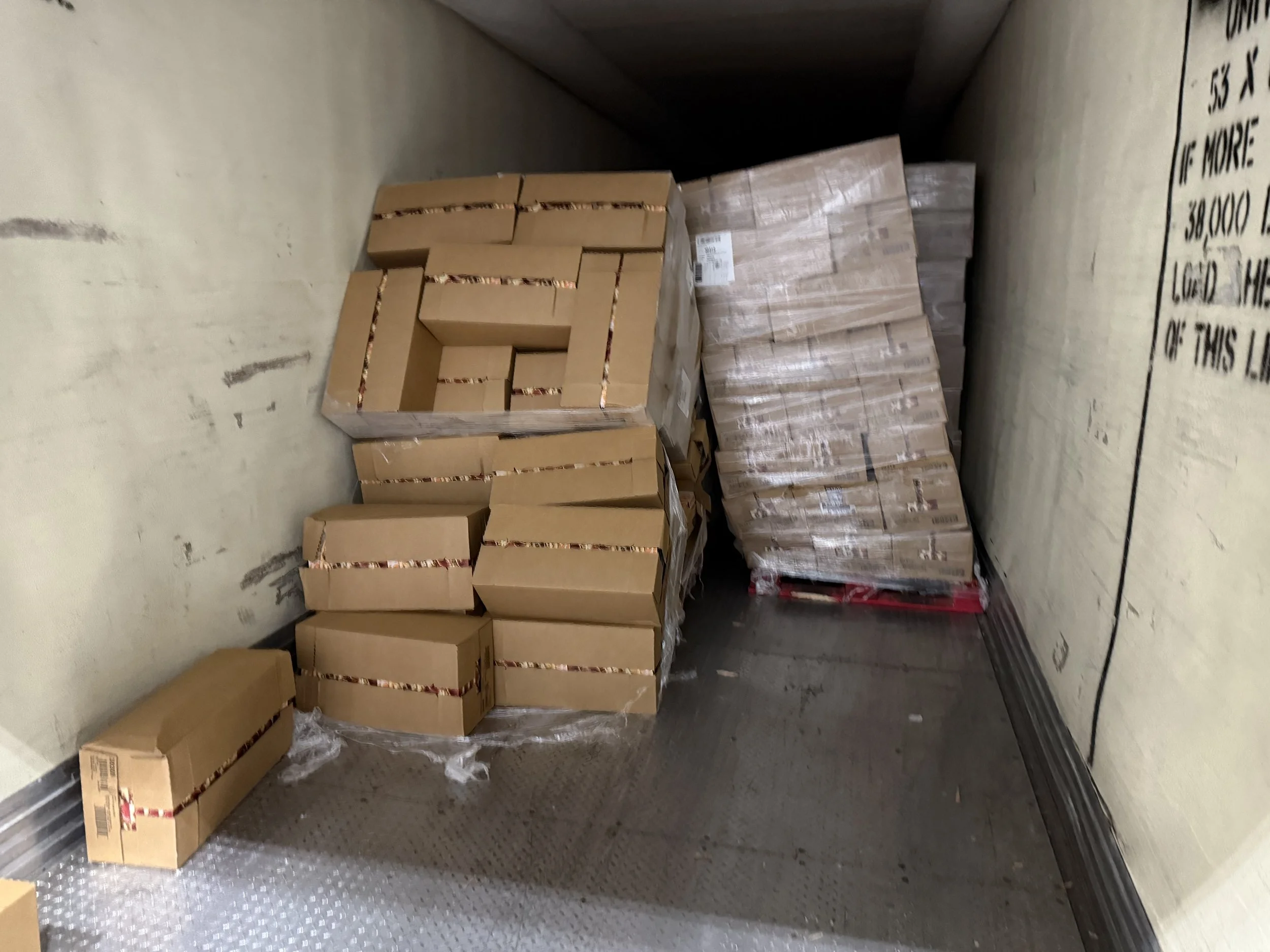
For final mile delivery services Antonio TX providers, request references from interior designers or institutions. Look for crews that can schedule during cooler hours and bring proper installation hardware. Ask if they photograph installed works and note wall locations for your records. That small service saves time during future refreshes.
When refrigeration belongs in the plan
Refrigerated storage and cold rooms enter the picture for three common scenarios: film and color photographs that benefit from lower temperatures, heat-sensitive plastics and adhesives in modern and contemporary works, and short-term staging during heat waves or HVAC outages. The last case surprises collectors. If a home system fails in July, moving a few critical pieces to a refrigerated storage room for a week can prevent cumulative stress. It is a safety valve.
If you go this route, coordinate with the facility to ensure controlled acclimation both directions. A cross dock warehouse with a cooler can act as a temporary waystation if your main storage site loses power. In that case, you are combining services: cross-docking, refrigerated storage, and final mile return. Planning those connections in advance, with phone numbers and after-hours contacts, turns a potential emergency into a routine transfer.
The human factor
Facilities and equipment set the stage. People determine the outcome. A crew that slows down at the right moment, that notices a loose liner, or that refuses to stage works in a sunlit area because it is convenient, that crew protects value. When you interview providers, pay attention to language. Do they know the difference between a float mount and a shadow box? Can they talk about relative humidity without hand-waving? Do they ask what kind of varnish sits on your paintings? Those small signals tell you whether they will adjust to the specifics of your collection.
A good storage relationship feels like a quiet partnership. You should receive alerts when thresholds drift, not just invoices when rent is due. The manager should call before a storm if they expect a power event, and they should have a written plan for response. If you ask to walk your aisle unannounced once in a while, they should say yes.
A short checklist for choosing a storage partner
- Environmental control: documented temperature and humidity ranges, alarms, and backup power capacity with tested run times. Handling culture: trained staff, clean carts and pads, no staging on exterior aprons, and written SOPs for fragile items. Logistics integration: options for cross-docking under conditioned air and reliable final mile delivery with climate-controlled cargo space. Monitoring access: your ability to view environmental logs and receive alerts for your zones or crates. Insurance and documentation: intake photos, barcoded inventory, and security procedures aligned with collector insurance requirements.
Preservation is a chain of small decisions
The right temperature-controlled storage strategy blends material science, local climate awareness, and logistics discipline. In San Antonio and similar climates, the room’s stability is the baseline. The touch points around it, from a cross dock transfer to a final mile install on a hot afternoon, carry equal weight. If you align those links, your canvases stay taut, your prints hold their tone, your records play flat, and your textiles avoid moth and mildew. You will not notice the success in a single week. You will see it when you open a crate after five years and the piece looks exactly as you remember.
Choose partners who can prove, not just promise. Ask to see the data. Walk the docks. Watch how they move a frame through a doorway. Then keep your own small rituals: loggers in crates, notes in files, gloves on hands. That is how collections last.